WWCLA PROGRAMS

What We Do

Community-driven programs protecting wildlife, empowering communities, and strengthening resilience across Wajir County.

1. Community-Led Conservation

At WWCLA, we believe that the key to sustainable conservation lies in the active involvement and leadership of local communities. Through a variety of training programs and workshops, we empower community members to become stewards of their own land, transforming them into conservation champions with the skills and knowledge needed to protect their environment.

Our training programs cover wildlife monitoring, where participants learn how to track and observe key species in their natural habitats, and anti-poaching tactics, equipping community members with the tools to prevent illegal wildlife activities. We also offer community outreach and awareness training, encouraging a culture of conservation that is led by the community and supported by WWCLA.

In addition to skills development, WWCLA supports the formation of community conservation committees. These committees play a crucial role in decision-making, helping to shape conservation policies that reflect local needs and values.
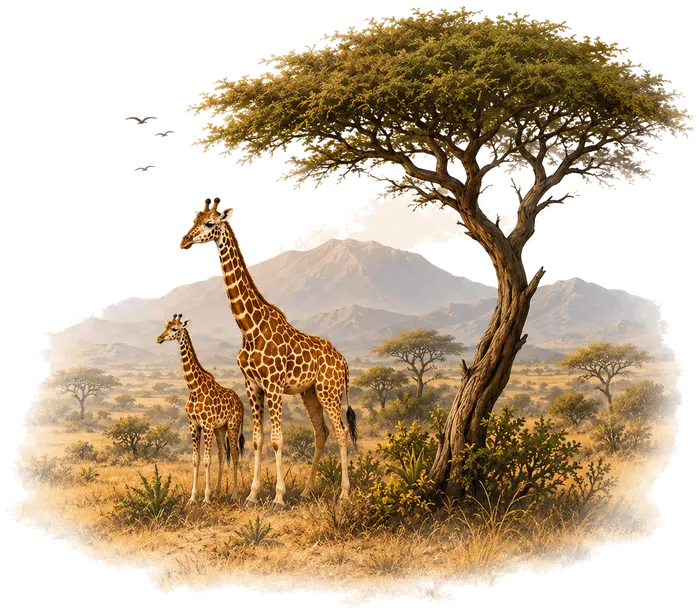
Giraffes under an acacia tree representing community-led conservation

2. Livelihood and Community Empowerment

One of WWCLA’s primary objectives is to address poverty through the promotion of sustainable economic activities that benefit both people and nature. We support community members in developing eco-tourism initiatives, such as guided wildlife tours, cultural experiences, and nature-based activities that attract visitors to the area.

By turning Wajir’s natural beauty and cultural heritage into an asset, these initiatives provide locals with a sustainable income while fostering a sense of pride and stewardship for the environment. WWCLA also provides support for small business ventures that align with conservation goals.

We work closely with women’s groups in areas like Diiif, where members craft traditional jewelry and unique handicrafts that can be sold to visitors and tourists. These initiatives create income while preserving local crafts and traditions. Additionally, we support sustainable farming, beekeeping, and other environmentally friendly ventures.

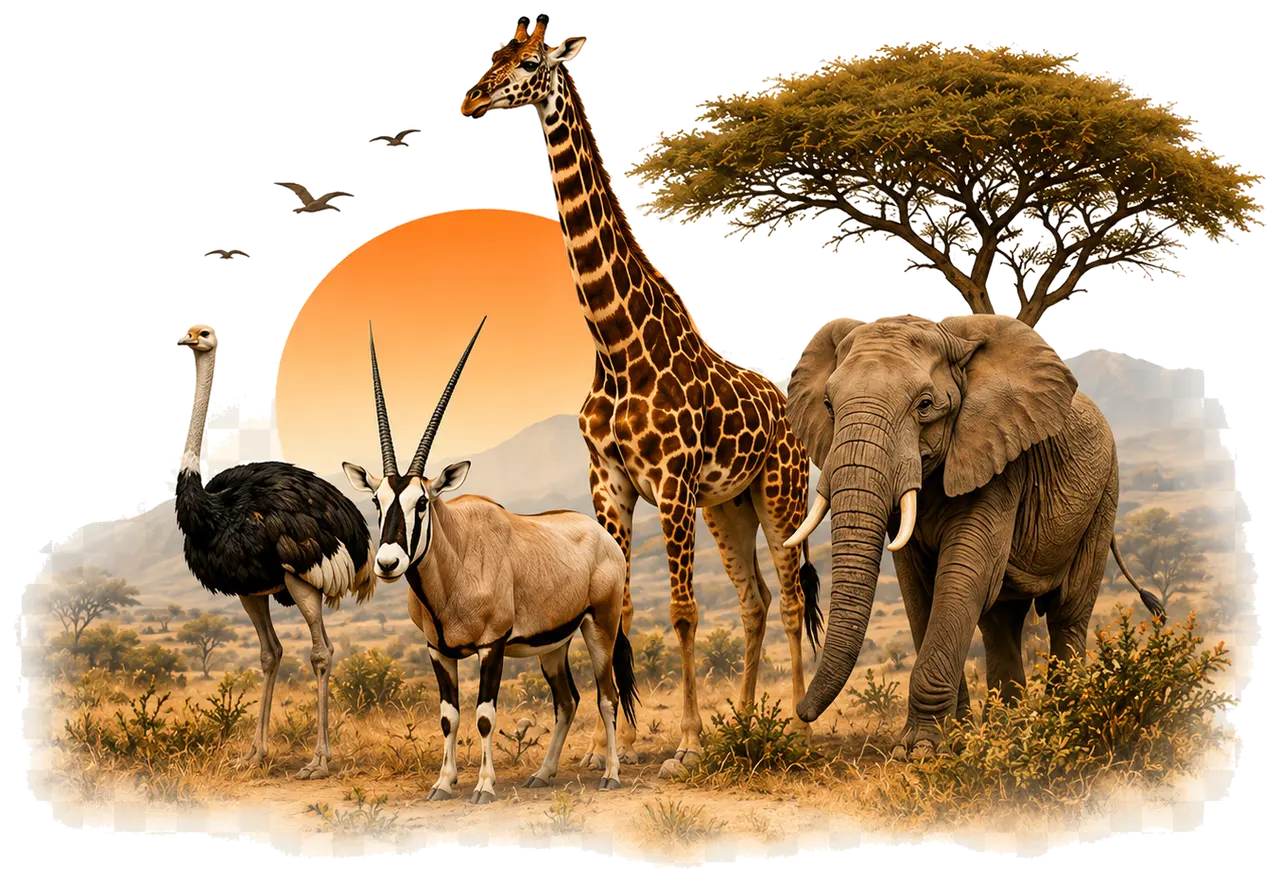
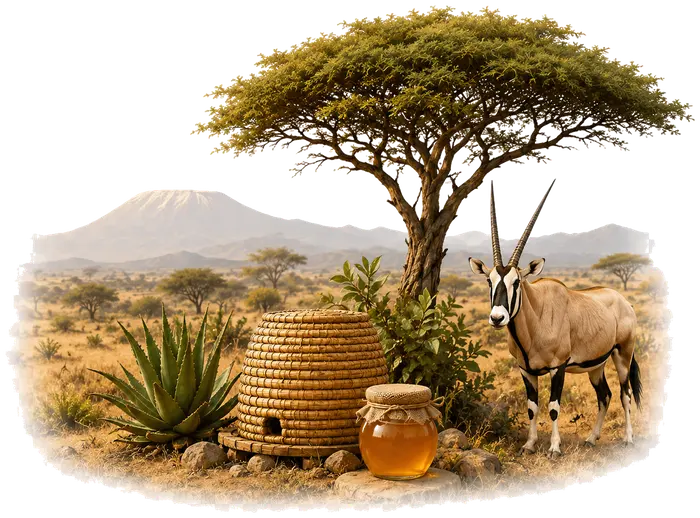
Honey, basket, aloe and oryx showing sustainable livelihoods

3. Education and Awareness

WWCLA believes that real, lasting change starts with the next generation. To instill a conservation mindset in Wajir’s youth, we have developed a series of education programs aimed at building awareness and fostering a deep connection to the environment.

Our programs operate in partnership with local schools, where we organize activities like wildlife education days, field trips to conservancies, and workshops on water conservation. Through hands-on learning, students gain a better understanding of the importance of protecting their natural surroundings and develop a personal commitment to conservation.

In addition to school-based programs, WWCLA organizes youth leadership programs, tree planting, soil conservation activities and broader awareness campaigns that include talks, radio programs, and conservation festivals.

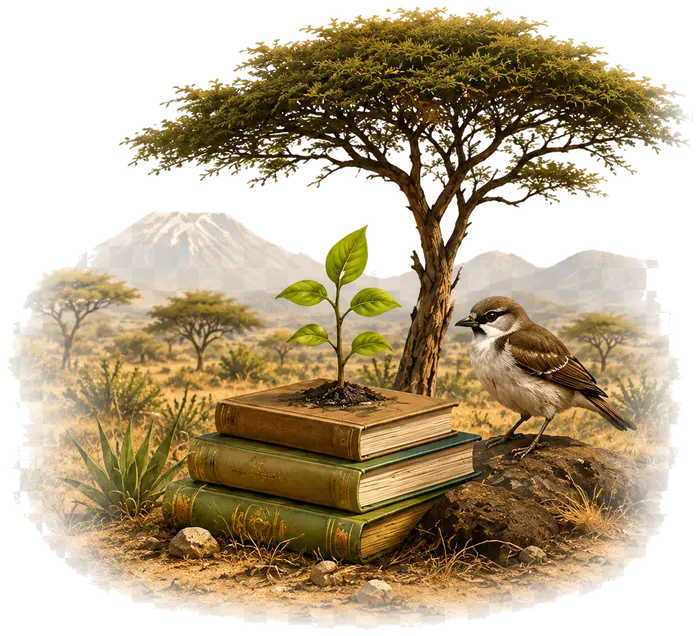
Books, sprout and bird representing education and awareness

4. Climate Action

As Wajir County faces increasingly severe impacts from climate change, WWCLA is dedicated to helping communities and wildlife adapt to these changes. Our climate action initiatives are designed to improve resilience to extreme weather, including prolonged droughts and the scarcity of water resources.

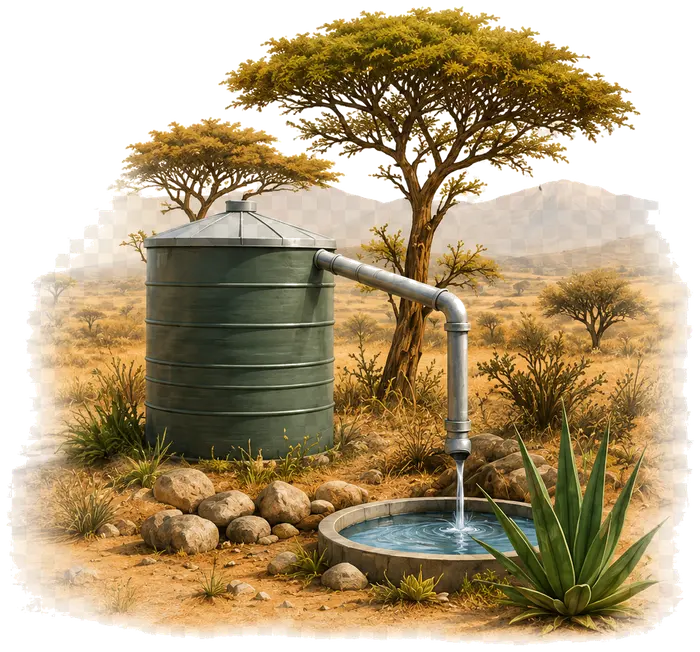
We implement rainwater harvesting projects, allowing communities to collect and store rainwater for times of need. These systems help ensure a steady water supply for both people and livestock, reducing the impact of drought on everyday life.

WWCLA is also actively involved in reforestation and afforestation efforts, working with communities to plant indigenous trees that are well-suited to the region’s semi-arid conditions. We also promote sustainable grazing practices, habitat restoration and drought resilience.

Rainwater harvesting tank and dryland plants showing climate action